Not Hungry on GLP 1: How to Nourish Your Body
Learn why eating still matters when you are not hungry on GLP 1 medication, plus gentle, simple ways to maintain consistent daily nourishment.
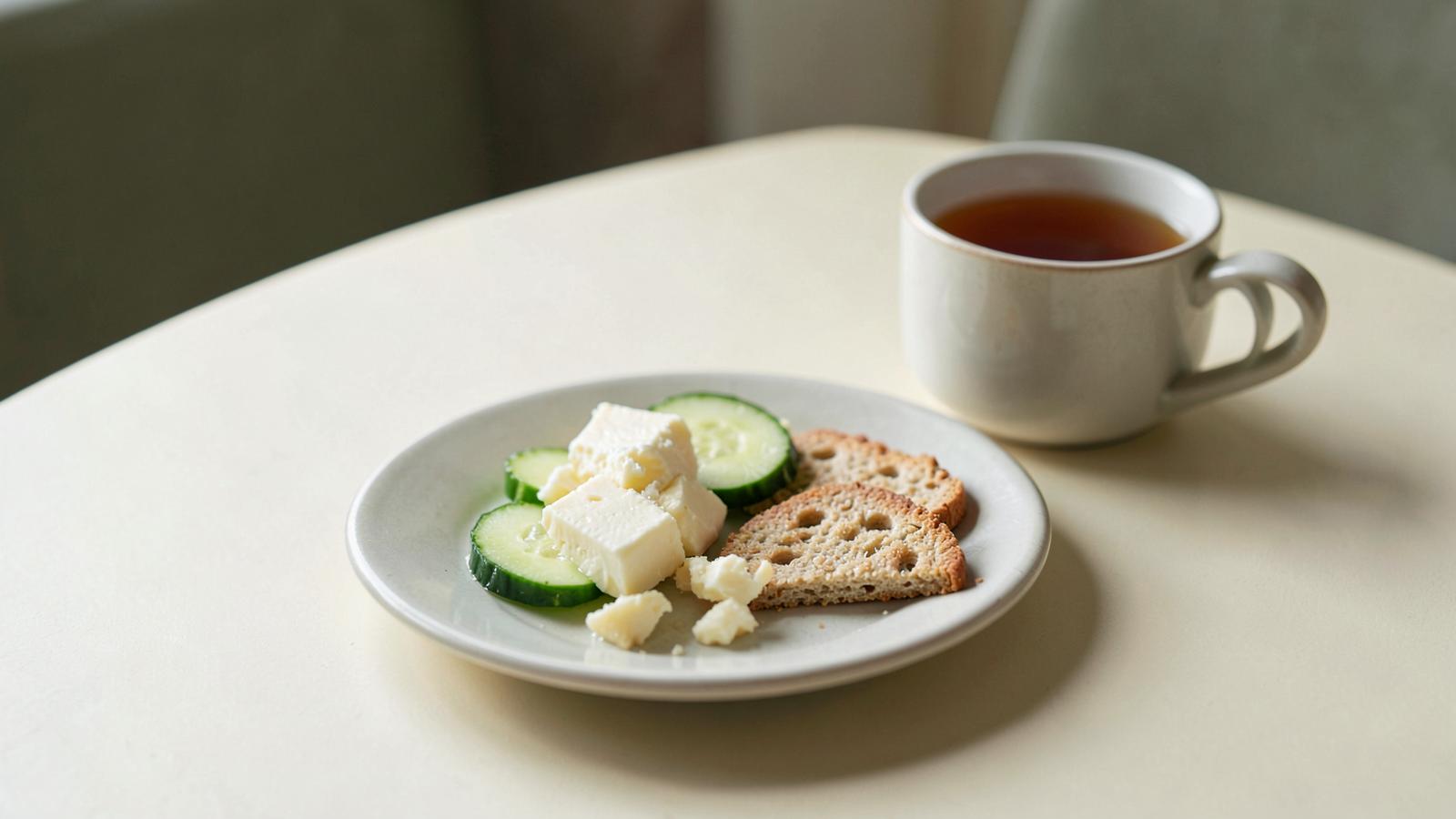
When you begin your GLP 1 journey, the quietening of appetite can feel like a profound relief. For many women, the constant thoughts about food simply fade away, creating a welcome sense of calm and mental space. However, there may be days when you realise you have very little interest in eating at all. While reduced hunger is an expected effect of these medications, your body still requires regular energy and vital nutrients to feel its best and function properly.
Why your body still needs steady fuel
Skipping meals because you do not feel hunger might seem harmless in the moment, but your body relies on steady nutrition for daily vitality. When energy intake drops too low, you may notice feelings of fatigue, brain fog, or low mood by the afternoon.
Consistent nourishment also protects your lean muscle tissue, which is essential for your long term strength, mobility, and metabolic health. Eating regular, balanced meals ensures that your body receives the vitamins, minerals, and protein it needs to support your overall wellbeing every single day.
Focus on quality over portion size
When a full plate feels overwhelming, the goal is not to force down large volumes of food. Instead, shift your attention towards smaller, nutrient dense choices that deliver high value in just a few mouthfuls.
Prioritising protein and colourful produce helps you meet your nutritional needs without feeling uncomfortably full. Simple adjustments to your daily routine can make a significant difference to how energised and confident you feel throughout the week.
- Eggs, Greek yoghurt, or cottage cheese for easy, bioavailable protein
- Smoothies blended with berries, spinach, and a quality protein powder
- Small handfuls of nuts or seeds paired with fresh fruit
- Warm soups made with bone broth, lentils, and soft vegetables
Gentle ways to eat when you have no appetite
If the thought of a traditional three meal schedule feels unmanageable, allow yourself to adapt your routine. Eating smaller amounts more frequently across the day can feel far more approachable than sitting down to a heavy plate.
Liquid or soft nutrition is often much easier to tolerate on low appetite days. Blended soups, warm broths, and cooling smoothies require minimal effort to digest, providing both hydration and essential nutrients without heaviness.
- Set gentle reminders to check in with your body every few hours
- Keep visual portions modest so mealtimes feel calm and inviting
- Eat slowly, taking gentle breaths between each mouthful
- Separate your drinks from meals by twenty minutes to avoid early fullness
Keeping your healthcare team informed
Your clinical team is your primary partner on this journey. If you find that you cannot eat for prolonged periods, or if food aversion causes persistent nausea, it is important to contact your prescribing doctor.
They can review your medication and ensure that your dose supports sustainable progress and daily comfort. Never adjust your dosage or stop medication without professional medical guidance. Lifestyle support works alongside your clinician to help you build healthier habits for life.