How to Protect Muscle on GLP-1 Weight Loss Journeys
Learn how protein pacing and strength training protect muscle during weight loss with GLP-1 medications for sustainable, long term wellbeing.
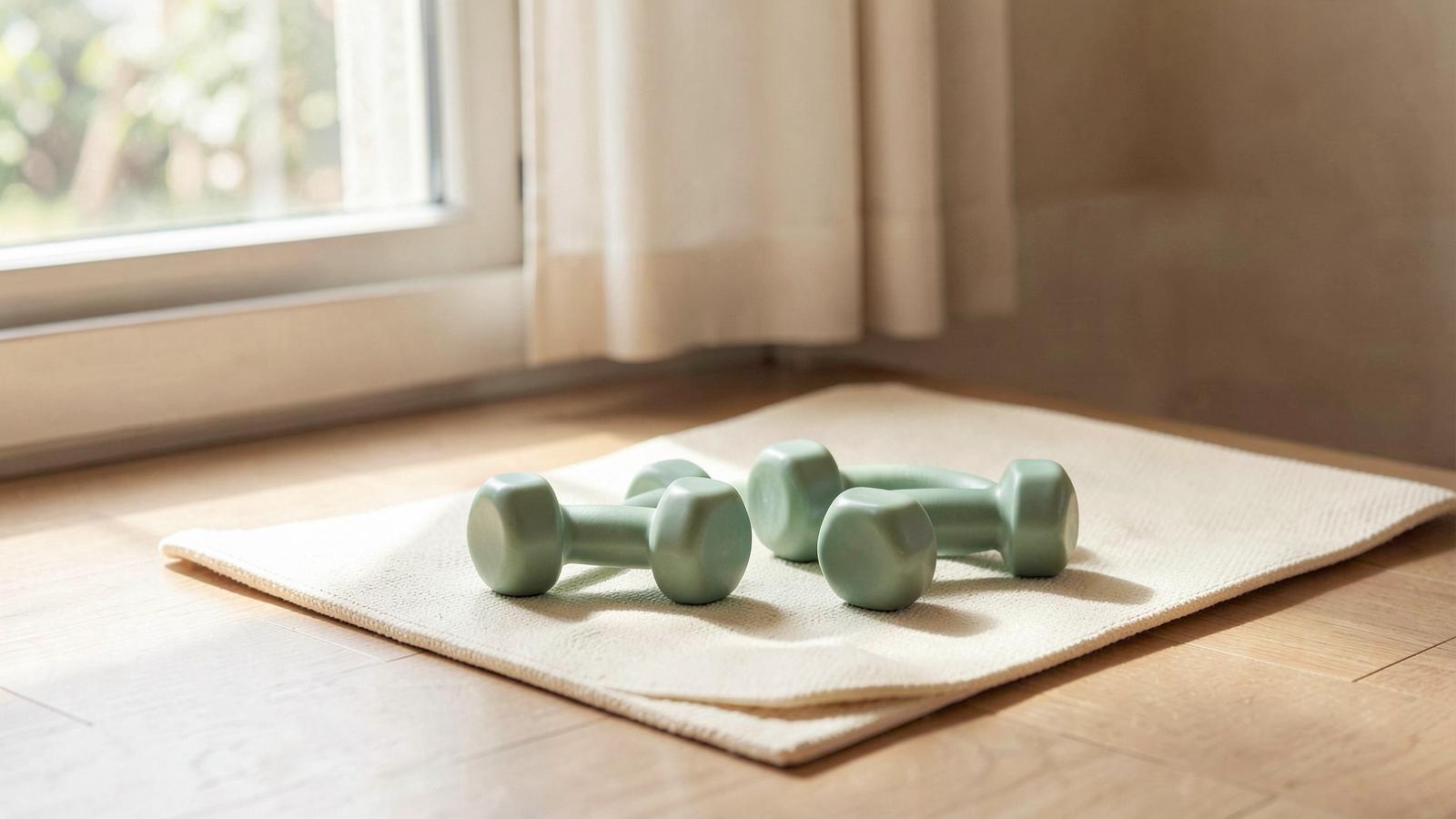
Starting a GLP-1 medication can bring welcome changes to your relationship with food. As your appetite naturally decreases and weight begins to come down, your body goes through an important transition. During this time, preserving lean muscle mass is one of the most rewarding commitments you can make for your health. Muscle tissue gives you strength, energy and independence for the years ahead. By combining thoughtful nutrition with regular movement, you can ensure that your weight loss supports genuine vitality and long term success.
Why Protecting Muscle Matters
When you eat less, your body naturally uses stored reserves for energy. Without intentional habits, some of that energy comes from lean muscle tissue rather than stored body fat. Preserving muscle keeps your resting metabolic rate healthy, protects joint stability and allows you to move through daily life with ease.
Maintaining strength also supports balance, bone density and postural confidence as the decades progress. While your doctor oversees your overall prescription, building daily habits around muscle preservation gives you active ownership of your journey.
Spreading Protein Throughout the Day
Because GLP-1 medications can make large meals feel uncomfortable, it is helpful to spread your protein intake evenly across the day. Eating a moderate amount of protein at breakfast, lunch and dinner stimulates muscle maintenance far more effectively than saving it all for one evening meal.
Aim for consistent protein portions at every meal rather than relying on volume. If your appetite is light, focus on eating the protein portion of your plate first before turning to other foods.
- Include a source of protein at breakfast to start muscle maintenance early.
- Keep protein portions steady across your main meals.
- Choose nutrient dense options when smaller portions feel best.
Choosing Nourishing Protein Sources
Whole foods provide not only protein, but also the vitamins and minerals needed for energy. Gentle, easily digested protein sources are often the most comfortable choices when taking medication.
You can discuss your specific nutritional targets with your doctor or registered dietitian. Focusing on variety and quality helps you create a calm, sustainable routine that fits naturally into your lifestyle.
- Eggs, Greek yoghurt and cottage cheese for light morning meals.
- Tender poultry, fish and tofu for lunch and dinner.
- Lentils, beans and edamame for plant rich variety.
Building Strength with Resistance Work
Protein provides the raw building blocks, but your muscles also need gentle physical stimulation to stay strong. Resistance exercise tells your body that your muscle tissue is essential, encouraging it to hold onto lean mass while releasing weight.
You do not need complicated equipment or intense workouts to see meaningful results. Practising simple movements two or three times a week builds steady progress without draining your energy.
- Bodyweight exercises such as sit to stand movements and wall push ups.
- Resistance band exercises for upper body and posture support.
- Light dumbbell training focusing on controlled, steady form.
Cultivating Consistency and Support
Creating lasting lifestyle change is about steady consistency rather than perfection. Adequate sleep, hydration and recovery are just as important for muscle preservation as movement and protein.
Surrounding yourself with community and coaching support offers gentle accountability on days when your energy fluctuates. By honouring your body with strength and nourishment, you create healthier habits that last a lifetime.