Why you need to measure more than just your weight
Stepping on the bathroom scales only tells part of the story. Learn how taking body measurements can show real progress when your weight stays exactly the same.
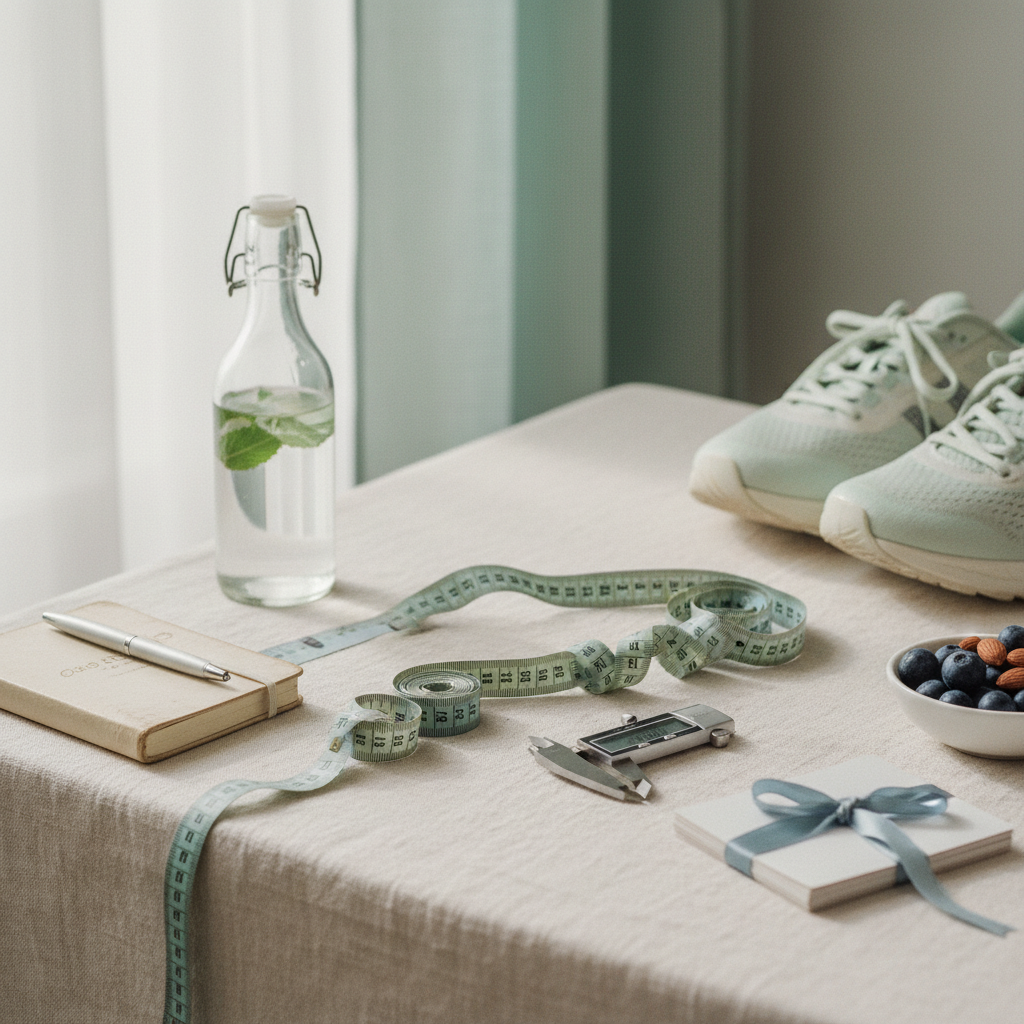
You have been eating well and walking for twenty minutes every evening after dinner. You step on the bathroom scales feeling hopeful, only to see the exact same number staring back at you. It is incredibly frustrating. You might even feel like giving up on your new routine altogether. But that piece of plastic on your bathroom floor only tells a fraction of the story. Your body is changing in ways that gravity simply cannot measure.
Why the scales hide the truth
Gravity is a very blunt instrument. When you weigh yourself, you are measuring bones and blood. You are weighing your internal organs and your daily water retention. Even your dinner from last night adds to the total. It all gets lumped together into one arbitrary number.
GLP 1 medications help your body change its overall composition over time. You might be building new muscle from a weekend swimming habit while losing fat around your middle. Muscle tissue is dense. It takes up much less physical space than fat, but it weighs exactly the same. So the bathroom scales might stall completely while your actual shape is transforming right in front of you. This is why you need a different way to track your progress.
Getting the tape measure out
You do not need to measure every single inch of your body to see real progress. Keep it simple and focus on a few key areas where changes often show up first. Grab a soft cloth tape measure from a sewing kit.
Do not pull it tight enough to dig into your skin. It should just rest flat and comfortably against you.
- Your waist just above your belly button.
- The widest part of your hips.
- Around the fullest part of your bust.
- The middle of your upper thighs.
- Your upper arms midway between your shoulder and elbow.
Finding the right time to check
Our bodies swell and shrink naturally throughout the day. A salty meal or a poor night of sleep can leave you feeling heavily bloated by the evening.
Pick one day a month to take your body measurements. Do it first thing in the morning before you have breakfast or a cup of tea. Write the numbers down in a notebook or keep a note in your phone. Checking too often will just drive you mad with the tiny daily fluctuations. Giving it a full month between checks allows enough time for genuine, measurable changes to actually happen.
Letting your wardrobe do the talking
Sometimes numbers are just annoying, no matter where they come from. If you hate the idea of using a tape measure, your clothes are often the most honest feedback you can get.
Think about a specific piece of clothing that you love. Maybe it is a tailored winter coat that used to pull tight across your back. Perhaps it is a favourite dress you kept hidden at the back of the wardrobe. Putting those items on and feeling physical space where there used to be none is a massive victory. That feeling of freedom and comfort is worth far more than a smaller number on a tracking chart.
When the numbers get stuck
There will be weeks or even whole months where absolutely nothing seems to happen. The scales stay stuck. The tape measure refuses to budge. Your clothes feel just as snug as they did last Tuesday.
This is completely normal, though I know it is deeply annoying. Bodies are complex and they frequently pause to readjust. When this happens, try to zoom out. Notice how your knees feel when you walk up the stairs. Notice if you have more energy to play with your children or dogs at three in the afternoon. Keep showing up for yourself, stick to your daily habits, and give your body the grace and time it needs to catch up.