Meal Planning for a Small Appetite on GLP-1
Simple meal planning ideas for GLP-1 weeks when appetite is low, with protein first meals and easy batch cooking.
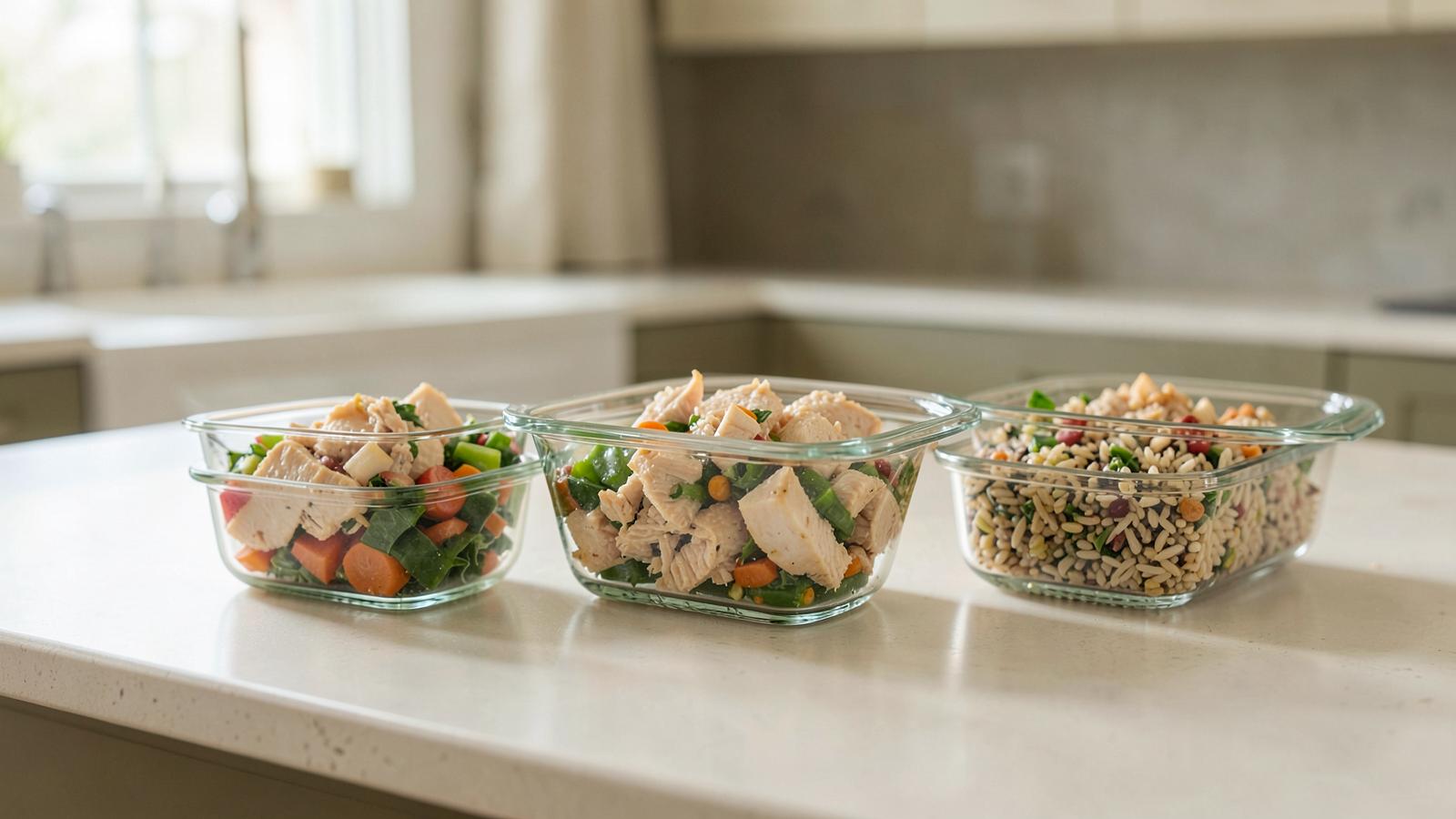
One of the biggest changes women notice on GLP-1 medication is how quickly fullness arrives. A smaller appetite can feel like a relief, but it also brings a new challenge: getting enough nutrition from meals that feel much smaller than before. A little planning goes a long way here.
Start with protein, every time
When you can only manage a few bites, those bites should count. Protein helps protect muscle, keeps energy steadier and tends to be more satisfying than starchy or sugary foods.
A simple habit is to put protein on the plate first, before anything else, so it is never the part you run out of room for.
- Eggs, Greek yoghurt, cottage cheese
- Chicken, fish, tofu, lentils
- A protein shake on days when solid food feels like too much
Plan smaller, not less often
It can help to think in terms of five or six small meals rather than three large ones. This spreads nutrition across the day instead of asking your body to manage one big meal it may not finish.
Fitivve's habit tracking can make this easier by giving you a gentle prompt to eat something small at set points in the day, even when hunger cues are quiet.
Batch prepare for the low appetite days
Cooking on the days you feel well and storing portions for later takes pressure off the days when even chopping vegetables feels like too much.
Soups, casseroles and overnight oats all freeze or refrigerate well and can be reheated in minutes.
- Cook a large batch of soup or stew once a week
- Pre-portion snacks into small containers
- Keep a few ready meals on hand for difficult days
Watch for the risk of eating too little
A reduced appetite is expected on GLP-1 medication, but eating far too little for too long can leave you tired and low in nutrients. This is not something to push through alone.
This article is not medical advice. If you are struggling to eat enough, or your appetite loss feels extreme, speak with your doctor or a dietitian who can look at your individual situation.