Hydration and Electrolytes on GLP-1: An Easy Habit to Miss
Why thirst is easy to overlook when appetite is low on GLP-1 medication, plus simple daily hydration habits and signs to raise with your doctor.
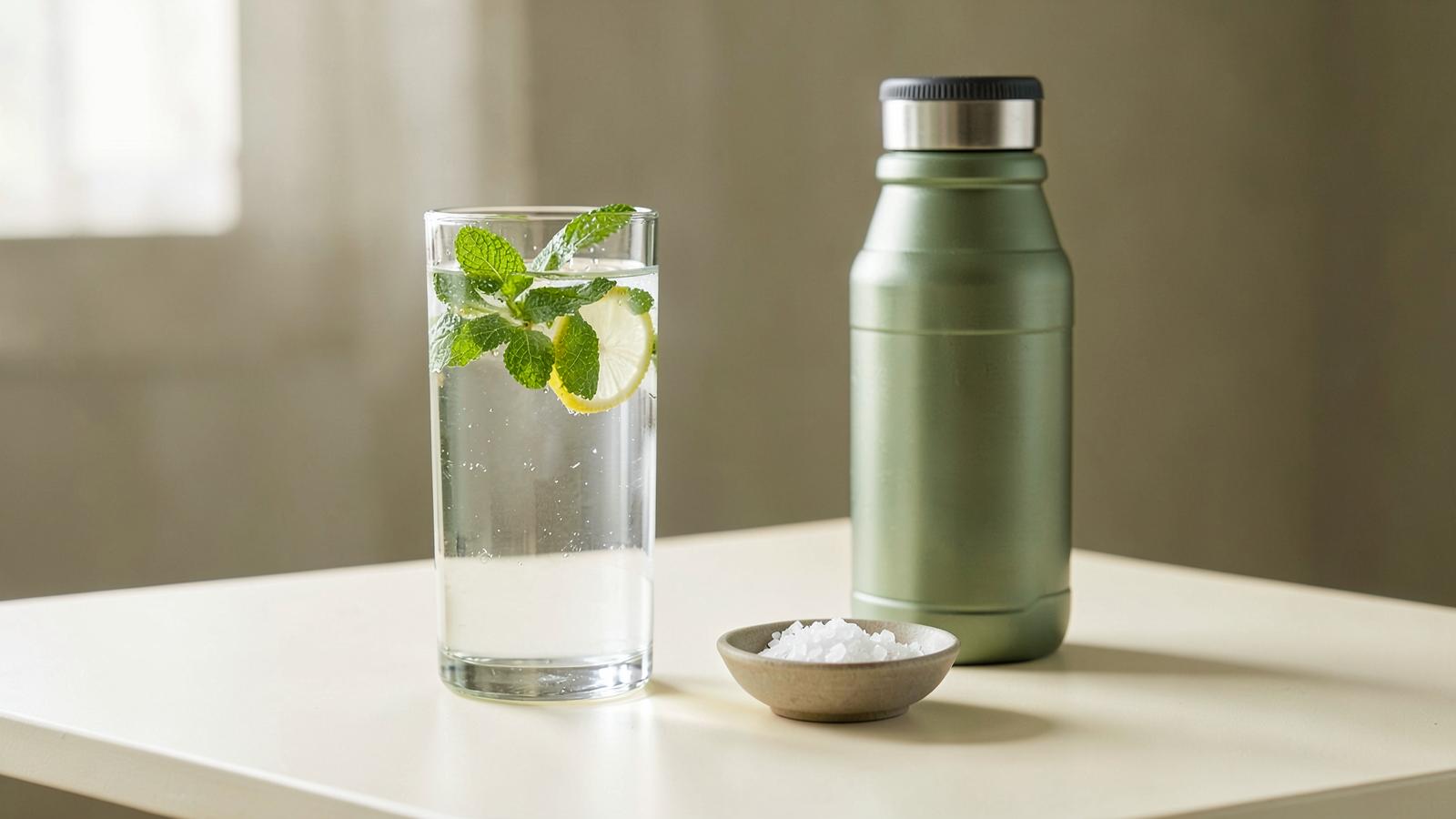
When your appetite is lower, it is easy to forget to drink enough too. Thirst signals can become quieter alongside hunger signals, and many women on GLP-1 medication do not notice they are under hydrated until they feel tired, foggy or lightheaded.
Why thirst gets easy to miss
Appetite and thirst signals are closely linked in the body. As eating patterns change on GLP-1 medication, some women simply forget to drink regularly because the usual cues around meals are less frequent.
This is general information only, not medical advice. If you notice ongoing symptoms of dehydration, speak with your doctor.
Why electrolytes matter too
Water alone is not always enough, especially if you are eating less overall or have had nausea. Electrolytes such as sodium, potassium and magnesium support energy, muscle function and steady mood.
Simple daily habits to build
Small, consistent habits are far more effective than trying to drink large amounts all at once.
- Keep a water bottle somewhere visible throughout the day
- Drink a glass of water when you wake up and with each meal
- Add a pinch of salt or an electrolyte tablet on warmer days or after activity
- Include water rich foods like cucumber, melon and soups
- Log your intake in Fitivve's habit tracking to build awareness over time
Signs to raise with your doctor
Occasional tiredness or a dry mouth can often be solved with better daily habits. However, persistent dizziness, very dark urine, confusion or a rapid heartbeat should always be discussed with your doctor promptly, rather than managed alone.
Your FitivveAI coach can help you notice hydration patterns over time, but it is not a substitute for medical advice.