How Much Protein Do You Need on GLP-1 Medication?
Learn how to find your daily protein target on GLP-1 therapy and discover simple ways to meet your goals comfortably when appetite is low.
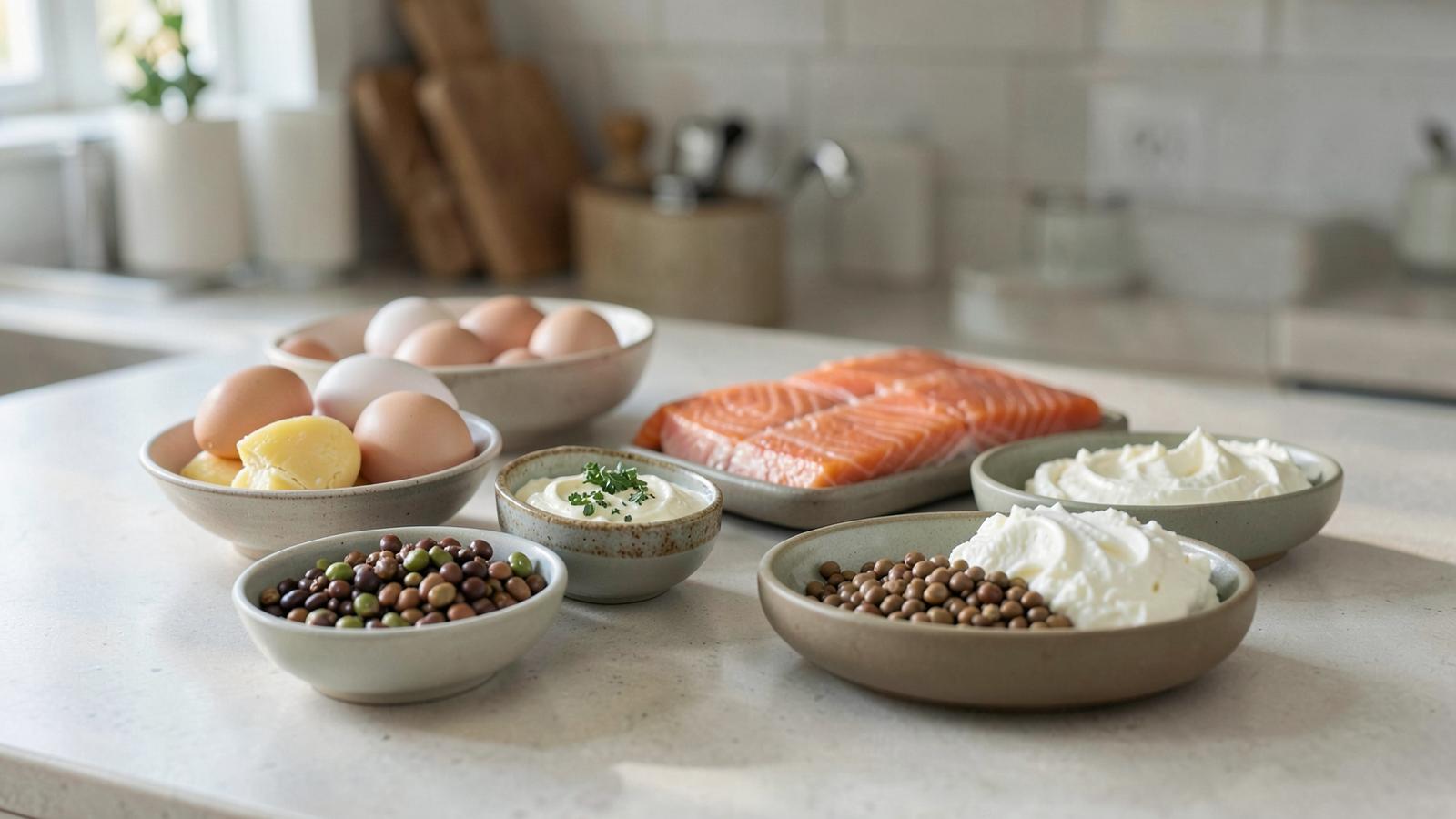
When you begin a GLP-1 medication, your relationship with food naturally changes. Smaller portions and a quietened appetite mean that every bite counts more than before, which is why protein is such an important focus for your daily wellbeing. Getting enough protein helps protect your lean muscle, supports steady daily energy, and creates a solid foundation for sustainable progress. Here is a clear guide to understanding your daily needs and reaching them comfortably, even on days when your hunger is low.
Why Protein Is Essential on GLP-1 Therapy
As your appetite reduces, your overall intake naturally drops. Without enough dietary protein, your body may draw on its own muscle tissue for energy, which can leave you feeling fatigued and reduce your physical strength over time.
Prioritising protein protects your muscle mass, which in turn supports a healthy metabolic rate. It also helps stabilise your energy throughout the day, keeping you feeling strong and capable as you build healthier habits.
How to Calculate Your Daily Target
A practical rule of thumb for women on GLP-1 therapy is to aim for roughly 1.2 to 1.5 grams of protein per kilogram of your target body weight each day. For many women, this translates to between 75 and 100 grams daily, though your personal clinician can help you tailor the exact figure to your health profile.
Rather than trying to reach this amount all at once, divide your total across your day. Aiming for 20 to 30 grams at each main meal, alongside one or two protein rich snacks, makes your daily goal much easier to manage.
Gentle Strategies When Your Appetite Is Low
Fullness signals can arrive very quickly when taking GLP-1 medication. If you find large meals overwhelming, smaller and more frequent choices can help you reach your numbers without feeling uncomfortably full.
A few practical adjustments can make a significant difference to your daily intake:
- Eat your protein first on the plate before moving to carbohydrates or greens.
- Choose high protein liquids such as kefir, Greek yoghurt smoothies, or bone broth when solid food feels heavy.
- Spread your intake across four smaller mini meals rather than three traditional sittings.
- Keep ready to eat protein options in the fridge so you can graze gently when hunger appears.
Nourishing Protein Sources to Keep on Hand
Keeping high quality ingredients accessible makes consistency straightforward. Focus on whole foods that are gentle on your digestion and easy to prepare in advance.
These everyday staples provide excellent nourishment in modest portion sizes:
- Greek yoghurt or cottage cheese, which deliver roughly 15 to 20 grams per serving.
- Eggs and egg whites, prepared simply with soft textures.
- Tinned tuna, salmon, or soft baked white fish, which are light and easy to digest.
- Tofu, edamame beans, and lentils for plant based nourishment.
- Tender poultry, sliced thinly into salads or light soups.
Building Consistency with Kindness
Meeting your target is a skill that develops over time, not an all or nothing test. Some days your appetite will be higher and reaching your goal will feel effortless, while other days will require a little more gentle planning.
Focus on steady routines rather than strict perfection. Working alongside your healthcare provider and leaning into supportive community accountability will help you build confidence that lasts for the long term.