GLP-1 and Sleep: Why Rest Shapes Your Progress
How sleep affects appetite and motivation on GLP-1, a calm evening routine, midlife sleep changes and when to seek help.
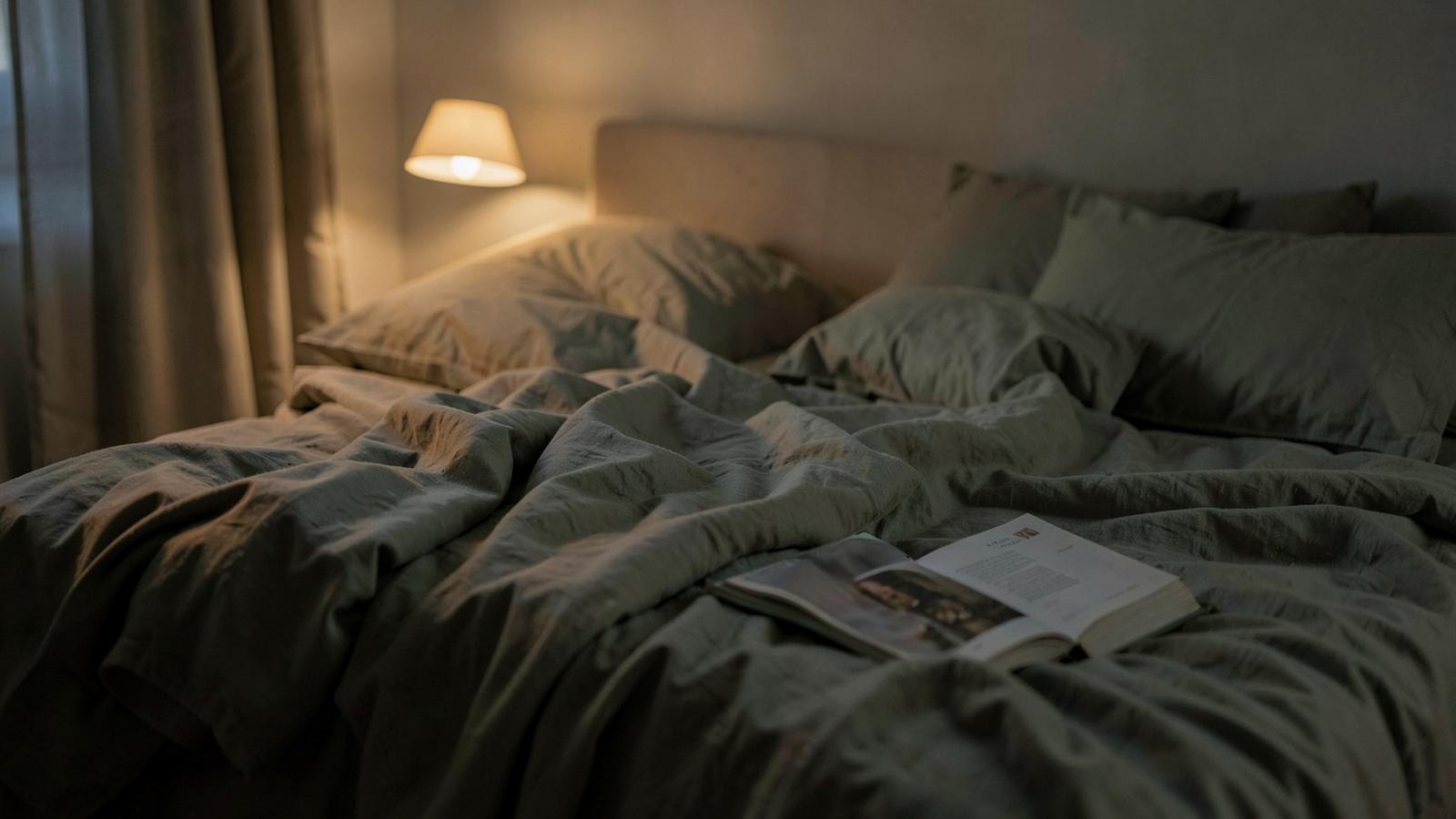
Sleep rarely gets the attention it deserves when talking about healthier habits, yet it quietly shapes almost everything else. On GLP-1 medication, and often through midlife hormonal changes, sleep can become lighter or more broken, which then affects appetite, mood and motivation the next day.
How sleep and appetite are connected
When sleep is short or disrupted, hunger and fullness signals can become harder to read. Some women notice stronger cravings or lower motivation to cook and plan after a poor night.
This is not a lack of willpower. It is simply harder to make steady choices when the body is tired.
Sleep changes are common in midlife
Many women aged 35 to 60 notice sleep becoming lighter or more interrupted around perimenopause and menopause, regardless of medication. This can make an already busy season feel harder still.
Knowing this is common, rather than a personal failing, can take some pressure off.
Building a calm evening routine
A predictable wind down in the evening signals to your body that rest is coming. It does not need to be complicated.
- Dim the lights and step away from screens an hour before bed
- Keep a consistent bedtime and wake time, even at weekends
- Avoid large meals, caffeine or alcohol late in the evening
- Try a short stretch, journal entry or a few slow breaths
Using support to notice patterns
Logging sleep alongside habits in Fitivve can help you notice patterns, such as certain evenings that lead to better or worse rest, and FitivveAI can offer gentle, general suggestions based on what you record.
If sleep problems are ongoing, severe, or affecting your daily life, this article is not a substitute for medical advice. Please speak with your doctor, who can look into causes and options specific to you.