When Food Feels Heavy: Daily Habits for GLP 1 Comfort
Discover practical, gentle habits for days when food feels heavy on GLP 1 medication, including meal timing, pacing, and mindful adjustments.
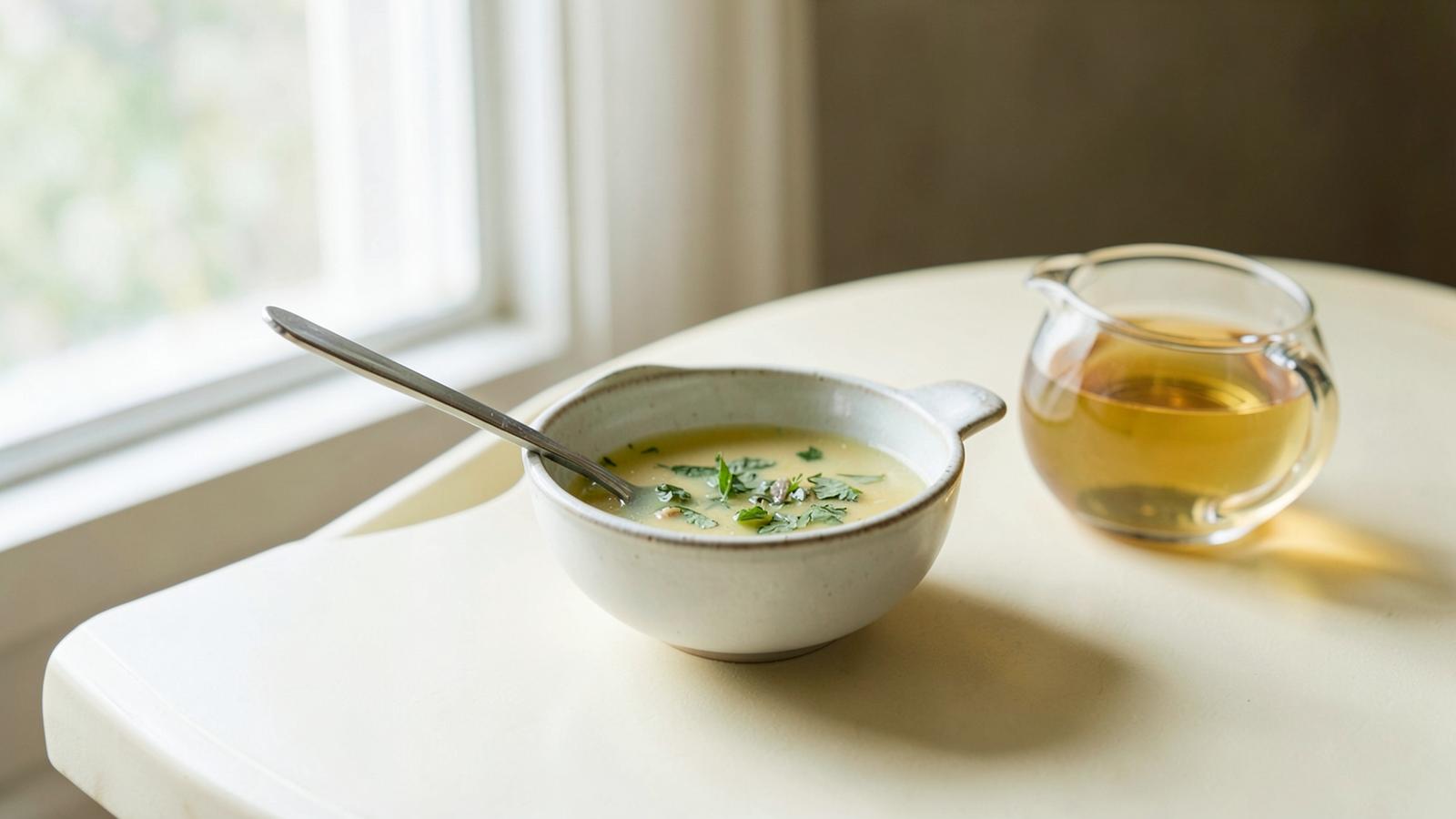
When you begin or adjust your GLP 1 medication, your digestive pace naturally slows down. On certain days, even a modest and balanced plate can feel as though it is sitting uncomfortably in your stomach for hours afterwards. This sensation is a very common part of the adjustment period, but it does not mean you have to feel uncomfortable. By introducing a few gentle, practical habits into your day, you can support your digestion and maintain sustainable progress with complete confidence.
Rethink your portion sizes and meal spacing
Traditional meal patterns often encourage three large sittings every day. When your stomach empties more slowly, this volume can quickly become overwhelming.
Shifting towards smaller, more frequent nourishment can make a remarkable difference to your comfort. Serving your food on a smaller plate helps keep portions modest, allowing your body to process each meal with ease.
- Serve half of your usual portion and wait twenty minutes before deciding on more
- Space your eating windows evenly across the day
- Focus on nutrient dense choices that provide energy without excessive volume
Slow your pace and chew thoroughly
Eating quickly makes it difficult to notice the subtle signals of satiety that your body is sending. It also introduces extra air into your digestive tract, which can increase feelings of fullness and bloating.
Take your time with every mouthful. Setting your cutlery down between bites encourages you to chew thoroughly, which begins the digestive process before the food even reaches your stomach. Creating a calm, screen free environment at the table supports this mindful rhythm.
Experiment with food temperature and texture
The physical form and temperature of your meals can influence how easily they sit. Very cold foods or iced drinks can occasionally cause digestive muscles to tighten, while heavy, dense textures require extra effort to break down.
Many women find that warm, soft meals feel far more soothing. Soups, slow cooked stews, and steamed vegetables offer wonderful nourishment while remaining gentle on a sensitive digestive system.
- Opt for room temperature or warm water rather than iced drinks during meals
- Choose tender, braised proteins instead of dry or tough cuts
- Incorporate blended soups or puréed vegetables on days when your stomach feels delicate
Mind your timing and gentle movement
When you eat is just as meaningful as what you eat. Having a meal late in the evening means your digestion must work while you are lying flat, which often leads to heaviness and reflux overnight.
Aim to finish your final meal at least three hours before going to bed. Afterwards, try a light ten minute stroll around your home or garden. Gentle, upright movement uses gravity to encourage natural digestion without placing strain on your body.
Stay connected with your clinical team
Lifestyle coaching provides the support, accountability, and practical routines you need for long term success. However, persistent discomfort, nausea, or pain should always be discussed directly with your prescribing doctor.
Your clinician can evaluate your overall treatment plan and offer personalised medical guidance. Sharing honest feedback about how you feel ensures your journey remains safe, comfortable, and tailored to your wellbeing.