Are You Eating Enough on GLP 1 Medication?
Learn how to recognise the signs of undereating on GLP 1 medication and discover simple ways to build a nourishing daily plate for sustainable progress.
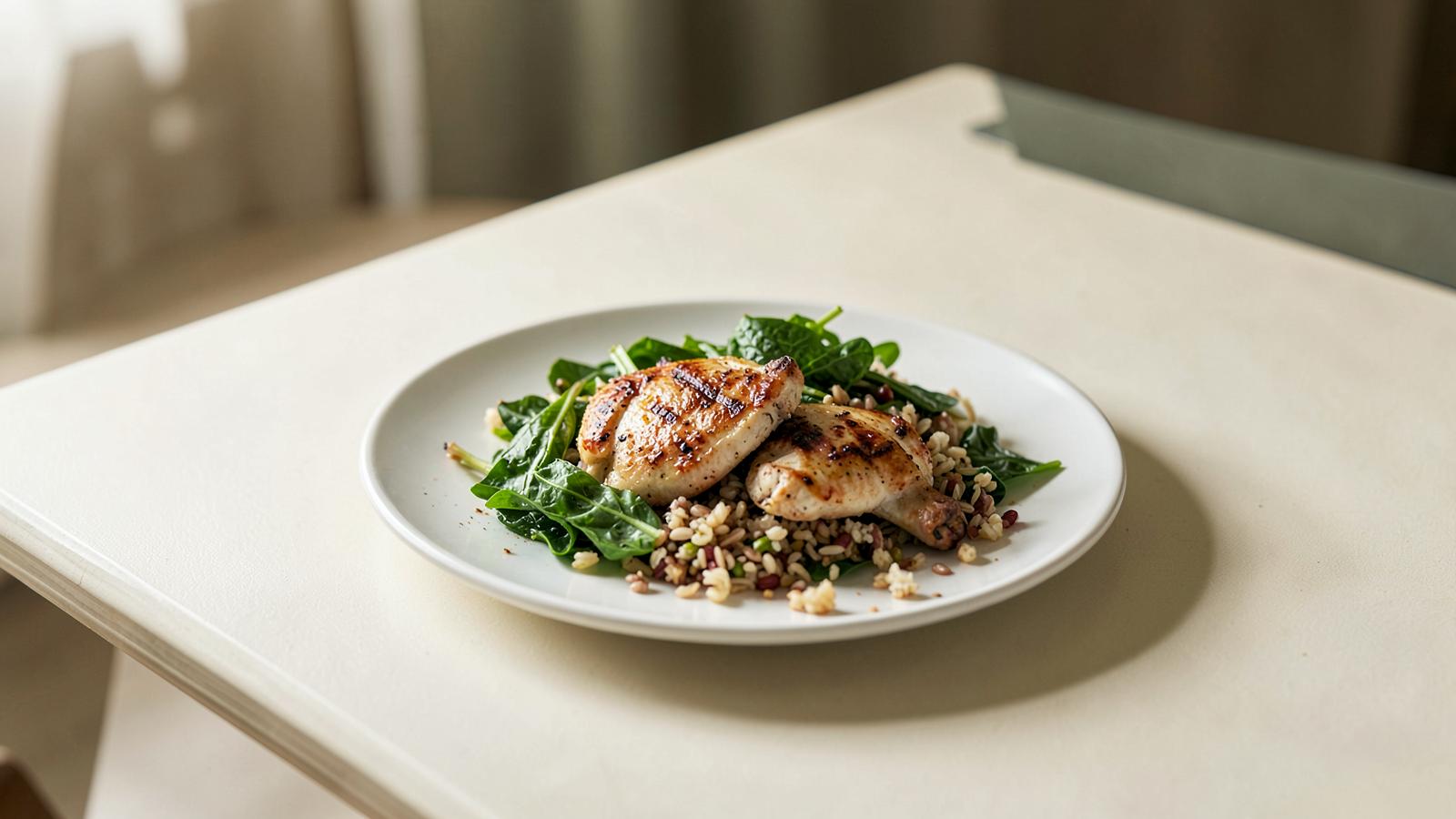
Starting a GLP 1 medication often brings a welcome sense of ease to your relationship with food. The constant thoughts about meals naturally quiet down, giving you space and clarity. When appetite signals become very soft, however, it is easy to eat too little without noticing. Nourishing your body consistently is vital for protecting your strength, mood, and daily vitality throughout your wellness journey.
Why adequate nutrition remains essential
GLP 1 medications work alongside your natural biology by slowing digestion and enhancing fullness. While this makes balanced choices feel more natural, your body still requires a steady supply of protein, vitamins, minerals, and energy to function properly.
Consuming too little food over time causes your body to conserve energy rather than thrive. Instead of feeling vibrant, you may find yourself feeling depleted. Eating enough wholesome food preserves your muscle tissue, supports your metabolism, and ensures you feel energised as you move through your day.
Subtle signs you may be undereating
Because traditional hunger cues like stomach rumbles might be absent, your body uses subtle signals to show it needs fuel. Tuning in to your daily wellbeing helps you recognise when intake has dropped too low.
Common indicators that you may need more nourishment include:
- Persistent afternoon fatigue or waking up feeling unrefreshed
- Lightheadedness when standing up quickly
- Brain fog, slowed concentration, or low mental energy
- Feeling unusually sensitive to the cold in your hands and feet
- Sudden dips in mood or patience that lift after eating
How to build a nourishing daily plate
When you can only manage smaller portions, every meal should offer genuine nutritional value. Choosing nutrient dense ingredients ensures your body receives essential nourishment without creating uncomfortable fullness.
A simple baseline framework helps you assemble balanced meals with confidence:
- Anchor meals with quality protein such as poultry, fish, eggs, tofu, or Greek yoghurt to support muscle health
- Add colourful vegetables or berries for vital antioxidants and gentle fibre
- Include small portions of healthy fats such as olive oil, seeds, or avocado for steady satiety
- Include slow releasing carbohydrates such as oats, quinoa, or sweet potato to sustain your stamina
Gentle strategies for low appetite days
There will be days when solid food feels unappealing. Liquid or soft nutrition offers an effective way to meet your baseline needs without digestive strain.
Smoothies made with quality protein powder, unsweetened plant milk, spinach, and almond butter provide concentrated nourishment in a gentle form. Blended vegetable soups with lentils or broth also offer soothing fuel. Setting gentle meal reminders on your schedule can help you eat small, regular portions even when spontaneous hunger is quiet.
Supporting your body with hydration
Hydration plays a crucial role in how you feel while using GLP 1 therapy. Because digestion moves more slowly, drinking sufficient fluids supports comfortable digestion and prevents sluggishness.
Sipping water steadily between meals rather than drinking large amounts while eating prevents premature fullness. You might also enjoy warm herbal teas, clear broths, or water with a slice of citrus to stay refreshed. Proper hydration paired with adequate food keeps your energy steady and supports daily activity.
Working alongside your medical team
Every woman responds uniquely to GLP 1 therapy. Finding the right balance between comfortable fullness and adequate nourishment takes time, curiosity, and individual care.
If you consistently struggle to meet your nutritional needs or feel low in energy, speak with your prescribing doctor or a registered dietitian. Your healthcare provider can review your progress, check relevant health markers, and help tailor your personal plan safely and supportively.